Skip to content
Tennessee Hood Cleaners logoTennesseeHood Cleaners
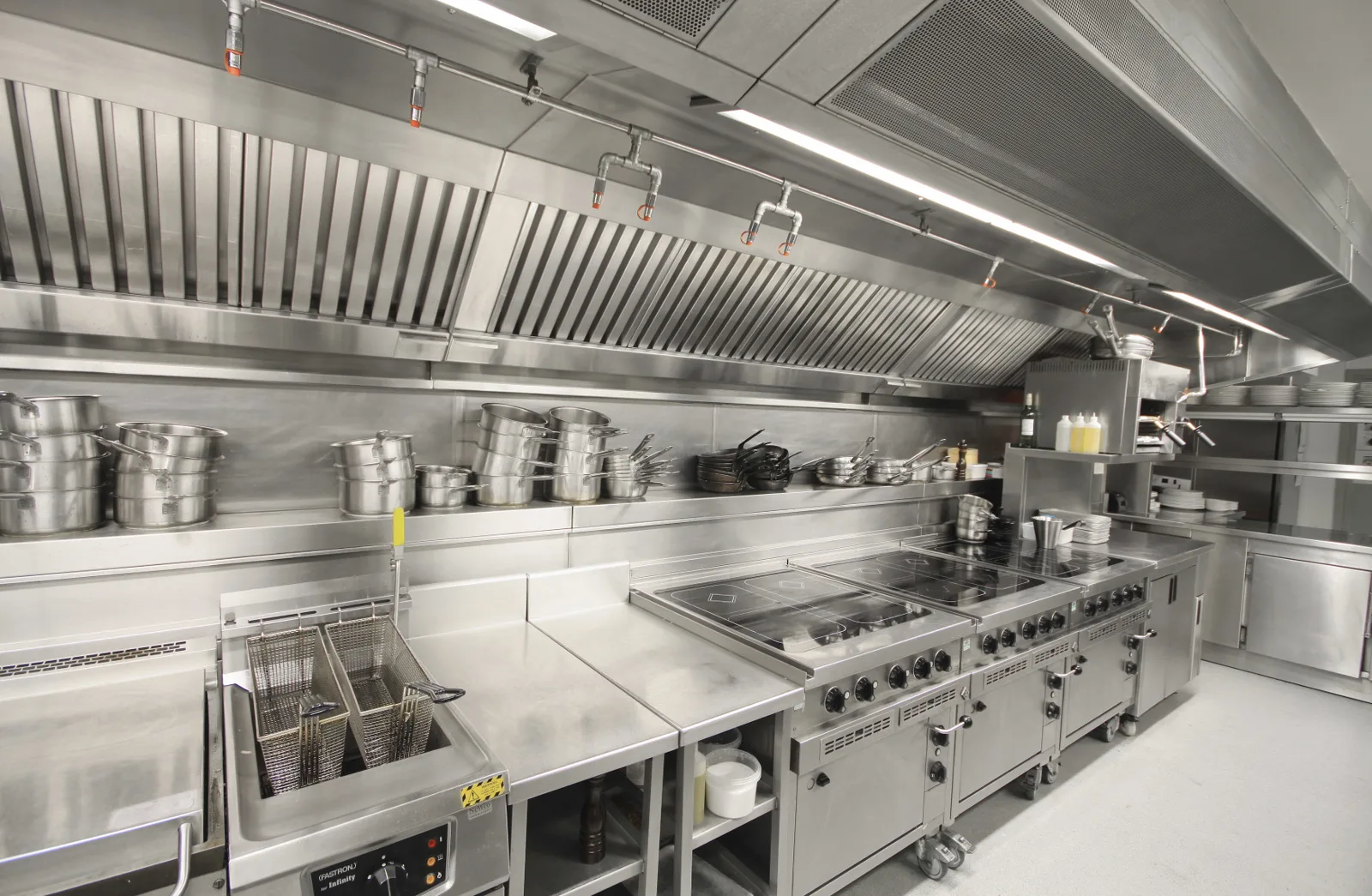
Long stainless steel exhaust hood above a commercial kitchen cooking line with fryers and ranges

Hood and exhaust

Commercial Kitchen Hood Cleaning

Hood cleaning for institutional, hospitality, and production kitchens of every size.

Commercial kitchens outside the restaurant world, such as hospital kitchens, school cafeterias, hotel banquet lines, and commissaries, often run long hoods over many appliances and route ductwork through multiple floors. These systems need a cleaning plan that accounts for long runs, multiple fans, and strict facility access rules.

We work with facility managers to plan each visit: which hoods are cleaned first, where water is captured, how roof access is handled, and how service is documented for the facility file.

What this service covers

  • Single-island and wall-mounted canopy hoods
  • Long hood lines over multiple appliances
  • Plenums, filters, and grease troughs
  • Multi-story duct risers with access
  • Multiple exhaust fans

Common problems we address

  • Long hood lines where buildup varies by appliance
  • Limited access windows in secured facilities
  • Duct runs through occupied floors
  • Older systems lacking adequate access panels

Safety and NFPA 96

For commercial kitchen hood cleaning, NFPA 96 (the National Fire Protection Association standard for commercial cooking operations) is the usual reference for inspection, cleaning access, and documentation. The edition in force and how it is enforced depend on your local authority having jurisdiction. We clean thoroughly and document our work, but no contractor can guarantee an inspection result. Learn more about NFPA 96.

Benefits for your business

  • Planned around facility schedules and security
  • Consistent cleaning across every hood
  • Clear notes on access limitations
  • Records suited to facility compliance files
Process

How we perform commercial kitchen hood cleaning

  1. 01

    Pre-service walkthrough to confirm hood count, duct routing, fan type, and access points.

  2. 02

    Cooking equipment is covered or shielded and floors are protected with plastic sheeting.

  3. 03

    Grease filters are removed and soaked or degreased separately.

  4. 04

    Heavy deposits are hand scraped from the hood canopy, plenum, and accessible duct.

  5. 05

    Commercial degreaser is applied and allowed dwell time to break down hardened grease.

  6. 06

    Surfaces are rinsed with hot water pressure washing and wastewater is captured.

  7. 07

    The rooftop exhaust fan is cleaned, and accessible fan components are checked.

  8. 08

    Filters are reinstalled, the kitchen is wiped down, and the system is tested.

  9. 09

    Service documentation is provided, noting areas cleaned and any areas that could not be reached.

Photos

From our work

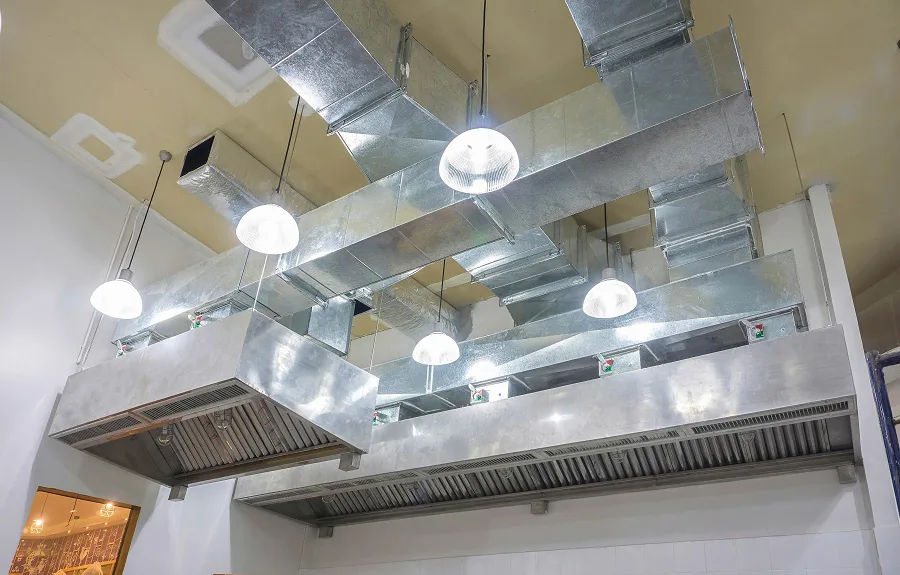
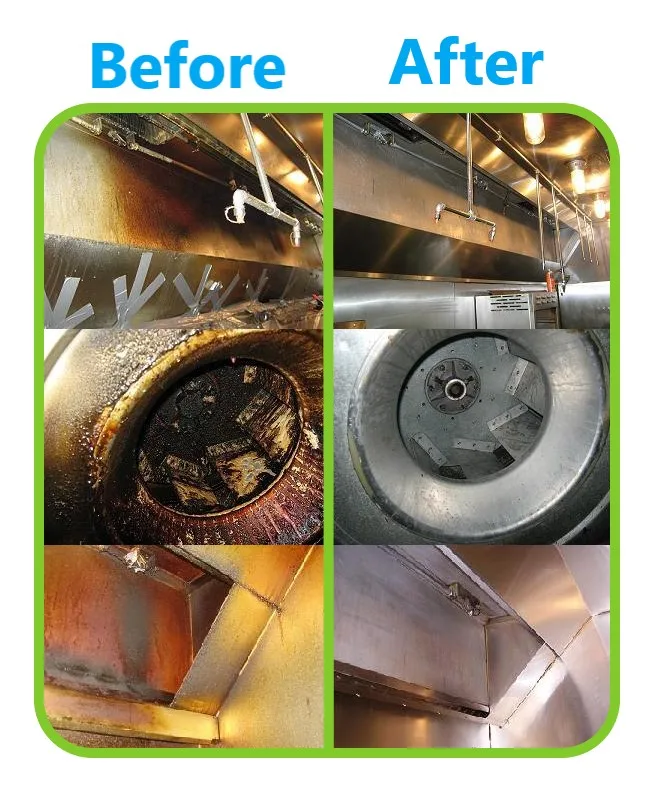
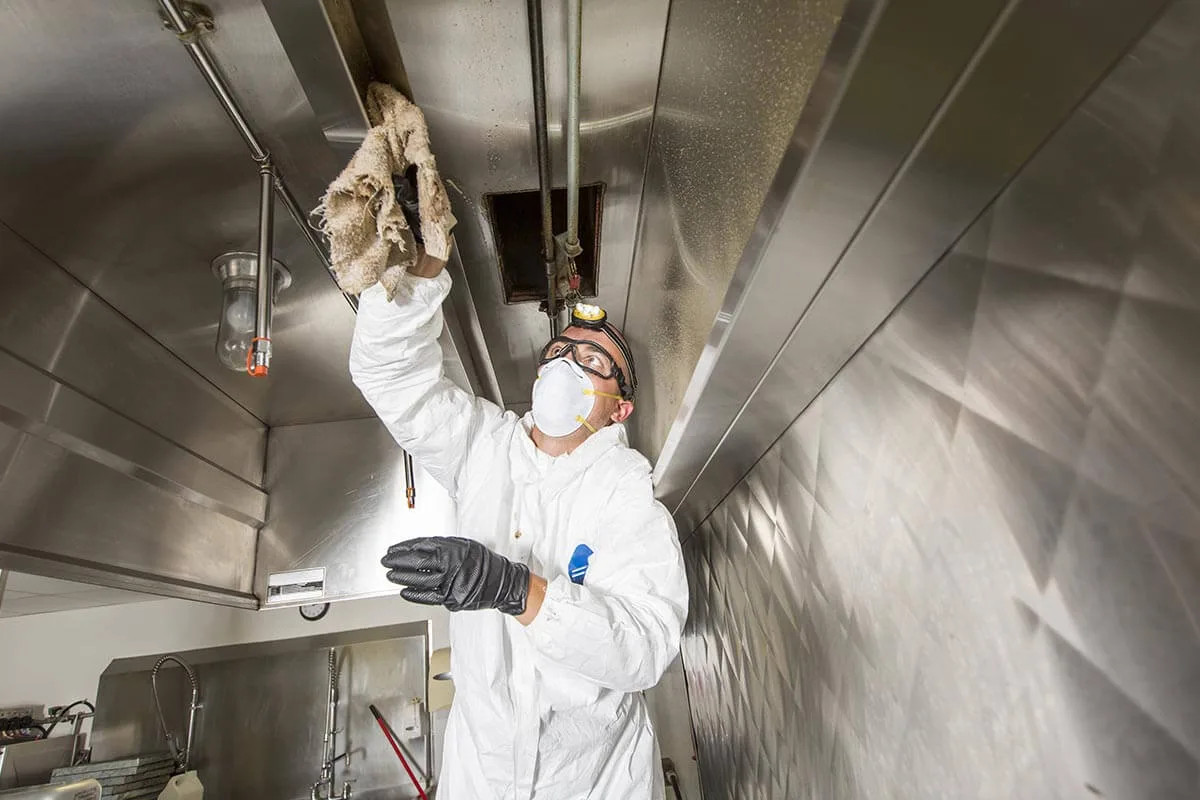
Technician in protective coveralls scraping grease from the inside of a commercial kitchen hood plenumStainless steel commercial kitchen hood with exposed exhaust ductwork running across the ceilingBefore and after comparison of a grease coated exhaust fan and hood interior next to the same components after cleaning

FAQ

Commercial Kitchen Hood Cleaning questions

Can you work within our facility's security procedures?+

Yes. We coordinate check-in, escorts, badges, and access windows with your facility team before scheduling.

What if our ductwork has no access panels?+

Sections without access cannot be fully cleaned. We note them on the service record and can discuss adding access panels where that is appropriate and allowed.

Serving all of Tennessee

Call NowGet a Free Quote