
Statewide commercial kitchen exhaust service
Commercial Hood Cleaning Across Tennessee
Professional restaurant hood cleaning, commercial kitchen exhaust cleaning, grease duct cleaning, and exhaust fan services for Tennessee businesses.
Keep your commercial kitchen cleaner, safer, and ready for its next inspection. Tennessee Hood Cleaners helps restaurants and commercial facilities address grease accumulation throughout their kitchen exhaust systems.
Services
Hood, duct, and fan cleaning done thoroughly
Commercial Hood Cleaning
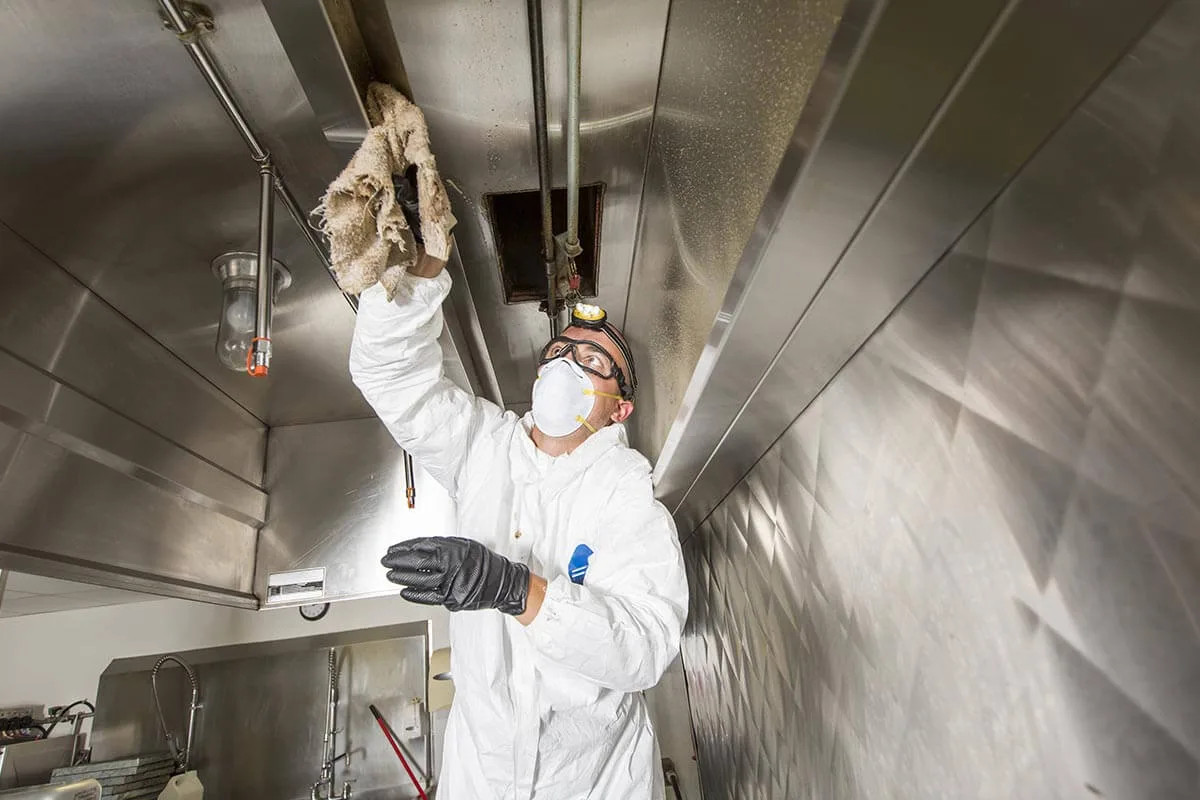
Complete cleaning of commercial kitchen hoods, plenums, filters, ductwork, and exhaust fans.
Restaurant Hood Cleaning
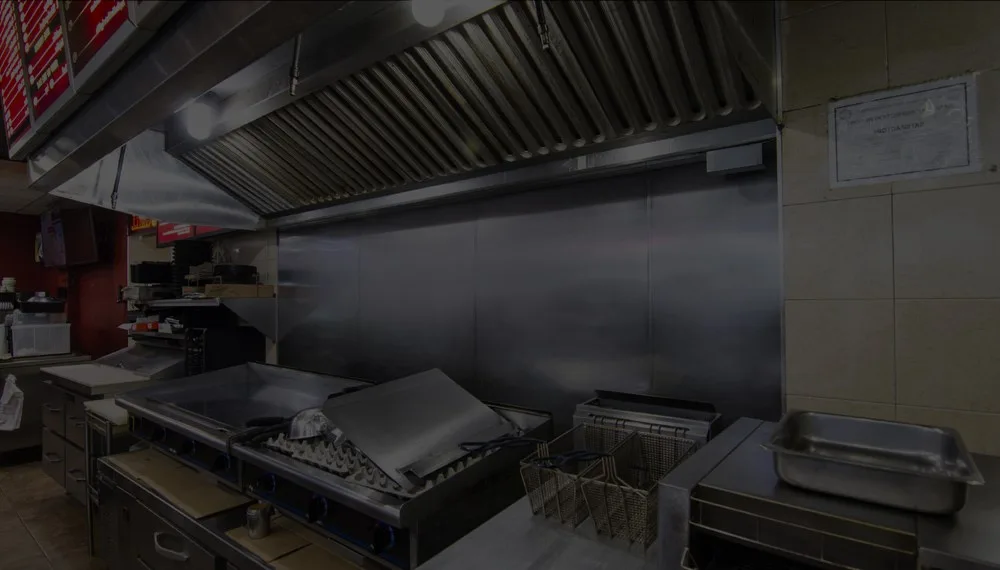
After-hours hood and exhaust cleaning built around restaurant service schedules.
Commercial Kitchen Exhaust Cleaning
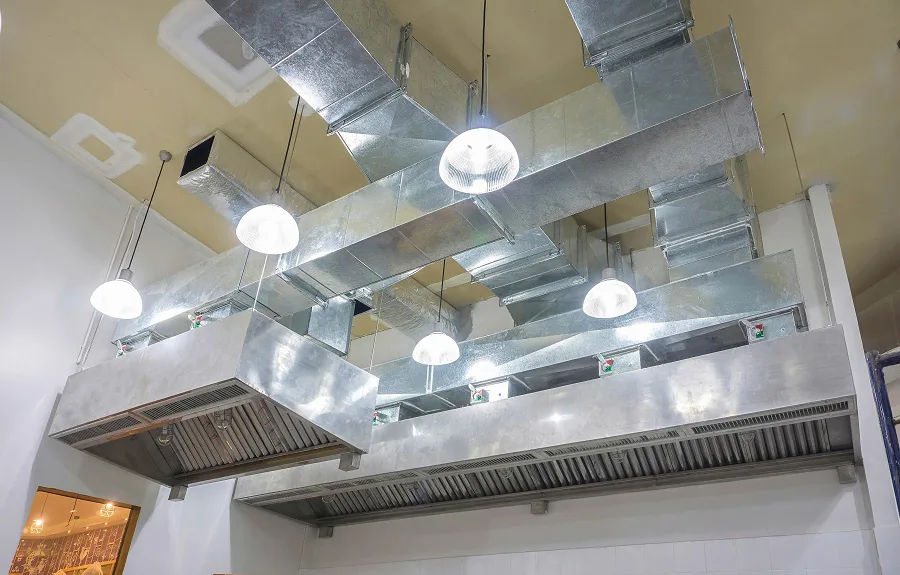
Cleaning the full exhaust path from the cooking line to the roof.
Commercial Exhaust Fan Cleaning
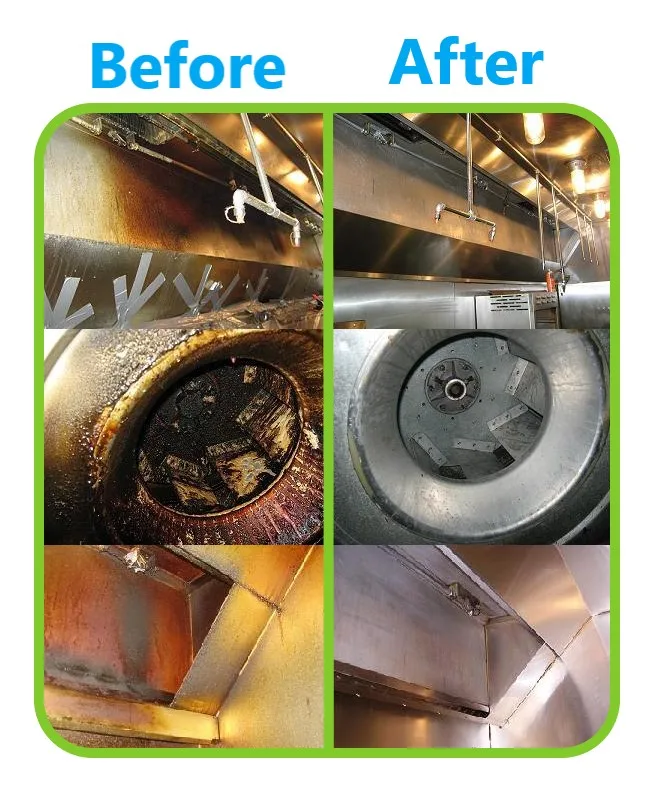
Cleaning fan blades, housings, and wheels where grease collects at the end of the system.
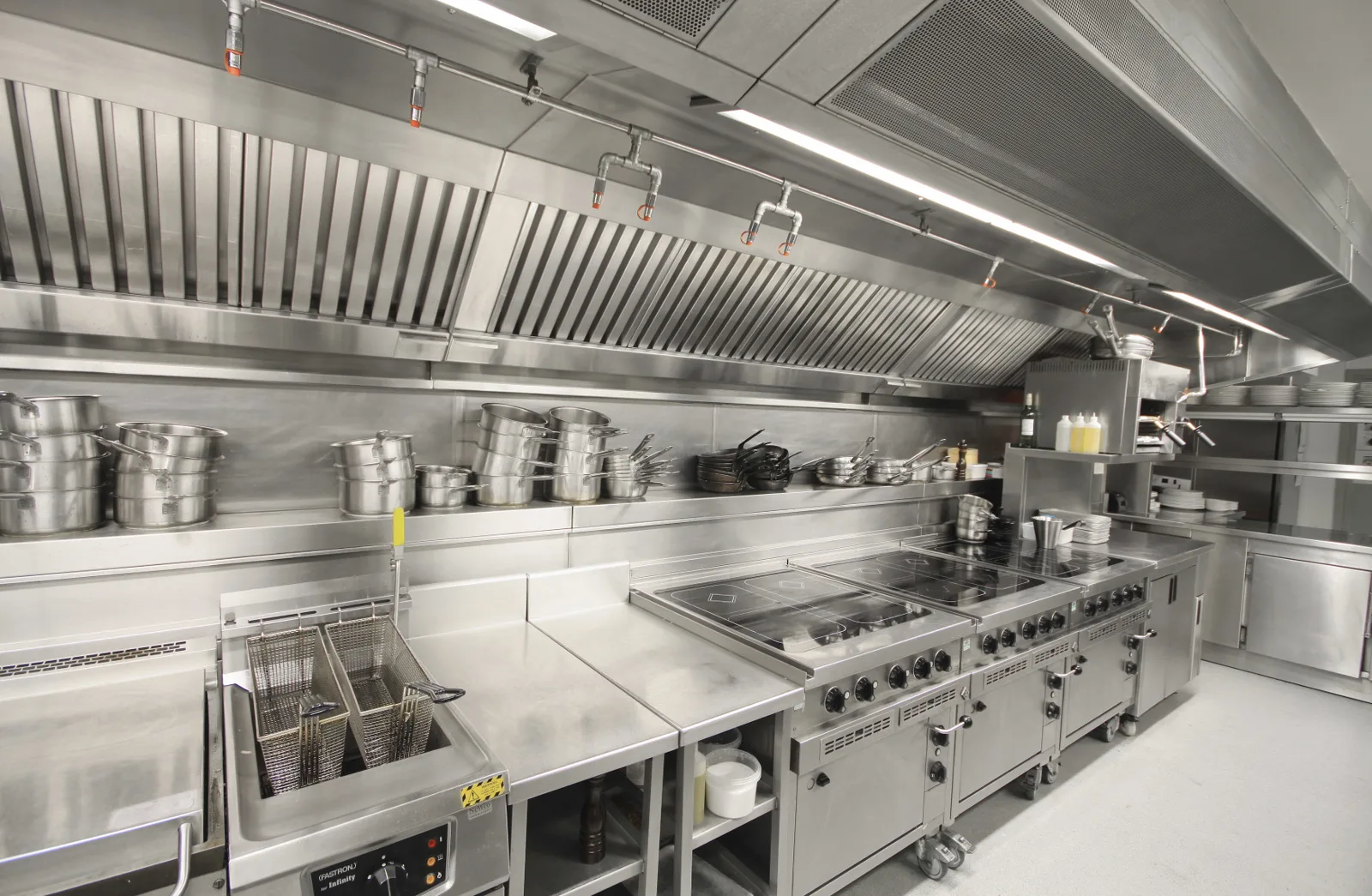
Commercial Hood Filter Cleaning
Deep degreasing of baffle filters to restore capture and airflow.
Grease Duct Cleaning
Removing grease from horizontal runs, risers, and access panels.
Our process
How a commercial kitchen cleaning works
- 01
Pre-service walkthrough to confirm hood count, duct routing, fan type, and access points.
- 02
Cooking equipment is covered or shielded and floors are protected with plastic sheeting.
- 03
Grease filters are removed and soaked or degreased separately.
- 04
Heavy deposits are hand scraped from the hood canopy, plenum, and accessible duct.
- 05
Commercial degreaser is applied and allowed dwell time to break down hardened grease.
- 06
Surfaces are rinsed with hot water pressure washing and wastewater is captured.
- 07
The rooftop exhaust fan is cleaned, and accessible fan components are checked.
- 08
Filters are reinstalled, the kitchen is wiped down, and the system is tested.
- 09
Service documentation is provided, noting areas cleaned and any areas that could not be reached.
Real results
Before and after
This photo shows an exhaust fan and hood interior coated with grease, and the same components after cleaning. Grease buildup like this reduces airflow and adds fuel to the exhaust system. See more real project photos in our gallery.
Why it matters
Why thorough exhaust cleaning matters
Fire prevention
Grease in hoods, ducts, and fans is fuel. Removing it reduces the chance that a cooking flare-up spreads into the exhaust system.
Airflow and comfort
Clean filters, ducts, and fans move air the way the system was designed, pulling smoke and heat out of the kitchen.
Operational continuity
Planned after-hours cleanings avoid lost service time and surprises from inspectors, insurers, or landlords.
Scheduling
Recurring cleaning that fits your hours
Most kitchens are cleaned overnight or before opening. We recommend a recurring frequency based on cooking type and volume, then send a reminder before each visit so you never have to track dates yourself. Frequency is reviewed after each cleaning based on how much grease we find.
- After-hours appointments
- Documentation after every service
- Inaccessible areas noted, never hidden
Industries
Kitchens we serve
Service area
Serving commercial kitchens across Tennessee
We provide service throughout the state. These are service areas, not office locations. Browse by city, county, or region.
Documentation
Service you can show inspectors
After each cleaning you receive documentation listing the date, the hoods, ducts, and fans that were cleaned, and any sections that could not be reached. Photos can be included on request. These records help when fire officials, insurers, or landlords ask about your exhaust maintenance.
About NFPA 96
NFPA 96 is the National Fire Protection Association standard for ventilation control and fire protection of commercial cooking operations. It addresses inspection and cleaning of exhaust systems. Which edition applies, and how, is decided by your local fire authority. Read our NFPA 96 overview.
What affects pricing
- ■Hood length and number
- ■Duct length and access
- ■Exhaust fan arrangement
- ■Grease accumulation
- ■Cooking volume
- ■Scheduling needs
- ■Location
- ■Recurring frequency
FAQ
Common questions
What is commercial hood cleaning?
+
It is the removal of grease from a commercial kitchen exhaust system, including the hood, plenum, filters, ductwork, and exhaust fan, followed by documentation of the work.
How often should a restaurant hood be cleaned?
+
It depends on cooking type and volume. NFPA 96 gives inspection frequency guidance, for example quarterly for high-volume cooking such as charbroiling or wok cooking. Your local fire authority decides what applies.
What is NFPA 96?
+
NFPA 96 is the National Fire Protection Association standard for ventilation control and fire protection of commercial cooking operations. Adoption and enforcement depend on your local authority having jurisdiction.
Does hood cleaning include the ductwork?
+
Our service includes accessible ductwork. Any section that cannot be reached is noted on the service record.
Do you clean rooftop exhaust fans?
+
Yes. The rooftop fan is cleaned as part of a full exhaust service when it can be accessed safely.
How long does restaurant hood cleaning take?
+
A single hood with a short duct often takes a few hours. Larger or heavily soiled systems take longer.
What affects the price of hood cleaning?
+
Hood count and length, duct length and access, fan type and number, grease buildup, cooking volume, scheduling needs, and location.
Can a commercial kitchen operate during hood cleaning?
+
No. Cooking equipment must be off and cool. That is why most cleanings are scheduled after hours.
Free quote
Tell us about your kitchen
Send a few details and we will follow up with next steps and a quote. Or call now.
615-437-3120