Skip to content
TennesseeHood Cleaners
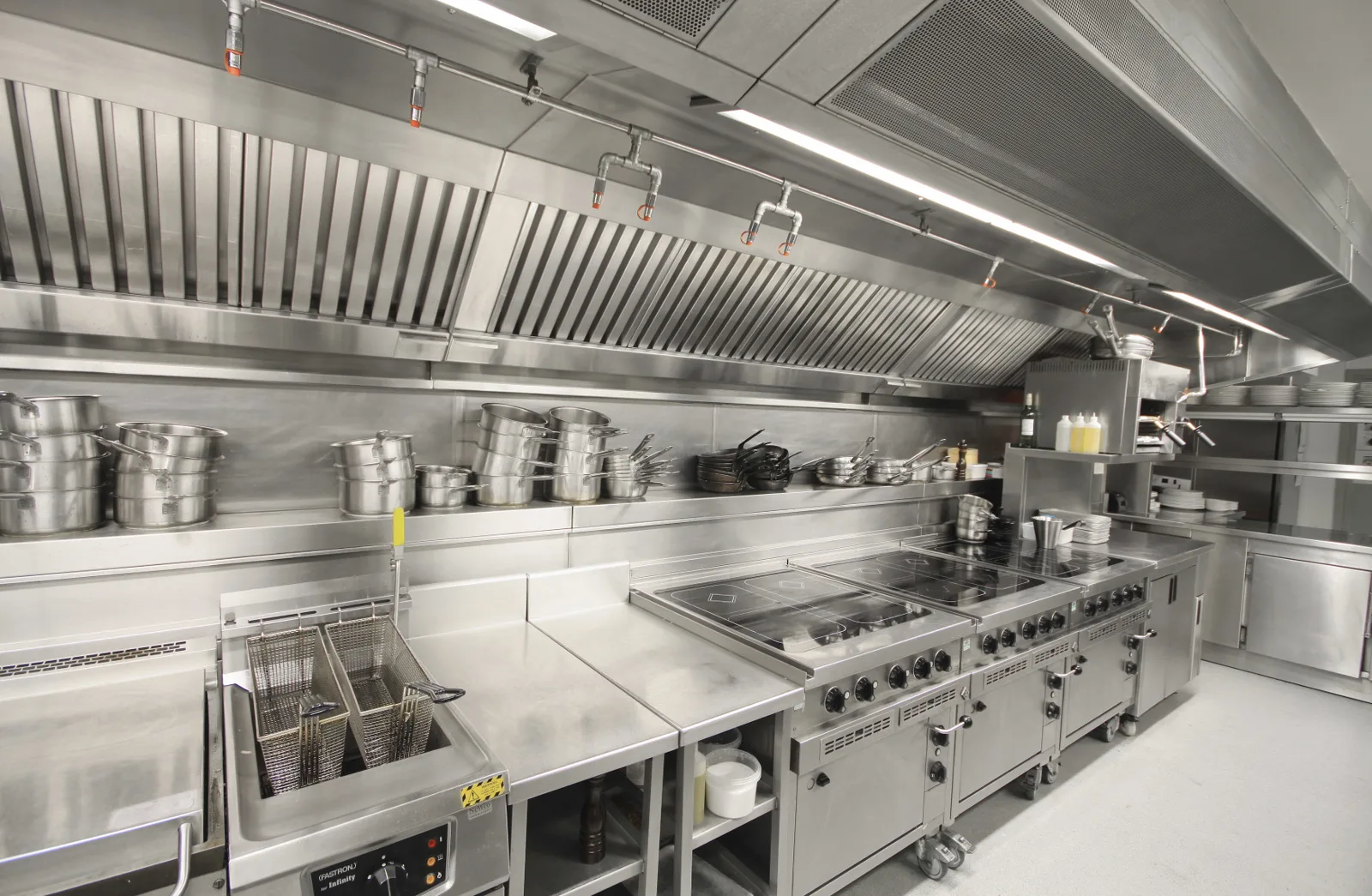
Restaurant cooking line under a stainless steel exhaust hood with fryers and griddle

Hood and exhaust

Restaurant Hood Cleaning for Tennessee Kitchens

After-hours hood and exhaust cleaning built around restaurant service schedules.

Restaurants put more grease into their exhaust systems than almost any other business. Fryers, char broilers, woks, and flat-top griddles all release grease vapor that settles inside the hood and travels up the duct. A busy dinner service can add a visible layer in a matter of weeks.

Our restaurant hood cleaning is scheduled around your hours, typically overnight after the last ticket. We protect your line, clean the full exhaust system, reset the kitchen, and leave documentation so your next shift opens on time and your managers know exactly what was done.

What this service covers

  • Hoods over fryers, grills, ranges, and woks
  • Baffle filters and grease cups
  • Plenum and exhaust collar
  • Accessible ductwork
  • Rooftop exhaust fan
  • Post-service kitchen wipe down

Common problems we address

  • Fryer and char broiler grease building faster than expected
  • Smoke rolling out from under the hood during rushes
  • Grease drips on the line or on food prep areas
  • Rooftop staining and grease runoff
  • Inspection notes calling out exhaust system cleanliness

Safety and NFPA 96

NFPA 96, the National Fire Protection Association standard for commercial cooking operations, addresses inspection and cleaning of kitchen exhaust systems, including access for cleaning and documentation. The edition in force and how it is enforced depend on your local authority having jurisdiction. We clean thoroughly and document our work, but no contractor can guarantee an inspection result. Learn more about NFPA 96.

Benefits for your business

  • No lost service time with overnight scheduling
  • Cleaner, safer exhaust system
  • Documentation for fire marshals and insurers
  • Better smoke capture during peak hours
  • Recurring schedules matched to cooking volume
Process

How we perform restaurant hood cleaning

  1. 01

    Pre-service walkthrough to confirm hood count, duct routing, fan type, and access points.

  2. 02

    Cooking equipment is covered or shielded and floors are protected with plastic sheeting.

  3. 03

    Grease filters are removed and soaked or degreased separately.

  4. 04

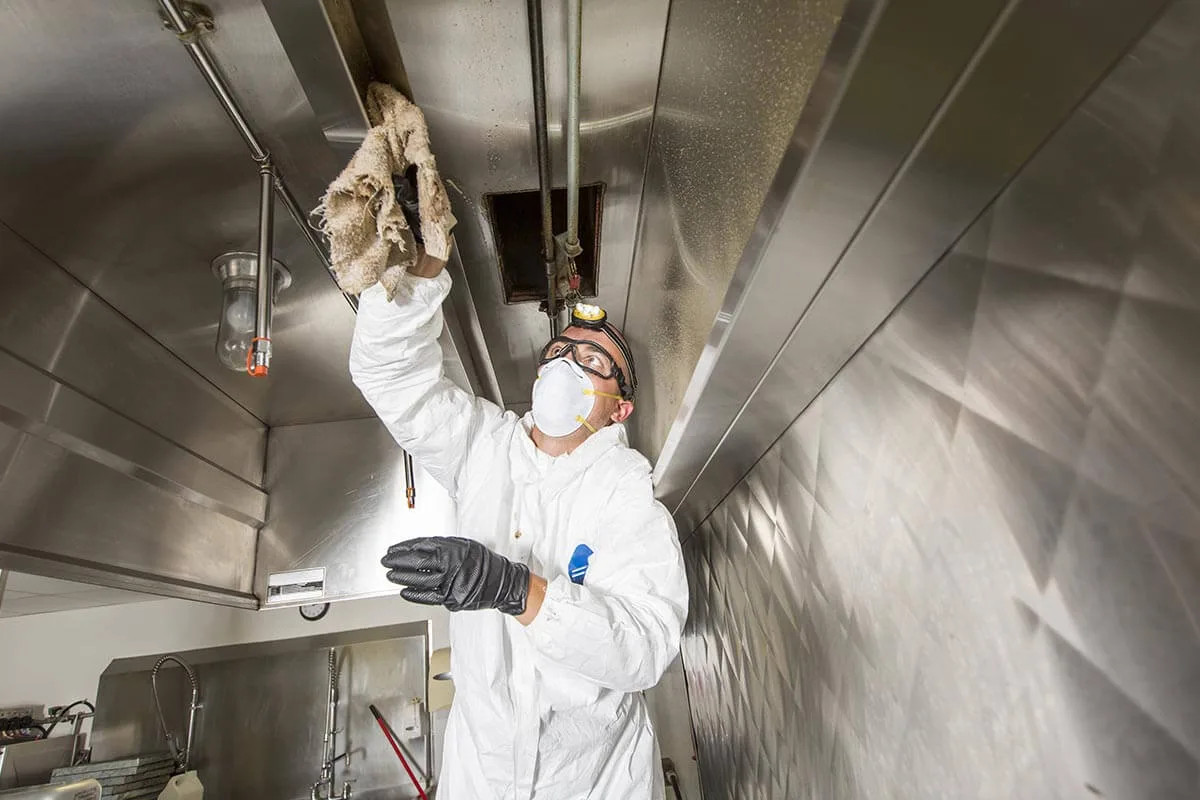
    Heavy deposits are hand scraped from the hood canopy, plenum, and accessible duct.

  5. 05

    Commercial degreaser is applied and allowed dwell time to break down hardened grease.

  6. 06

    Surfaces are rinsed with hot water pressure washing and wastewater is captured.

  7. 07

    The rooftop exhaust fan is cleaned, and accessible fan components are checked.

  8. 08

    Filters are reinstalled, the kitchen is wiped down, and the system is tested.

  9. 09

    Service documentation is provided, noting areas cleaned and any areas that could not be reached.

Photos

From our work

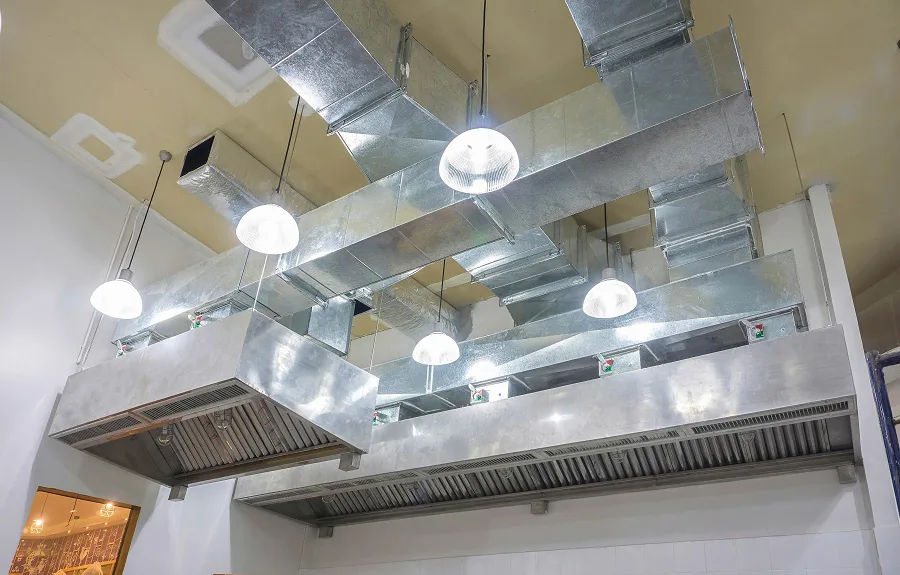
Technician in protective coveralls scraping grease from the inside of a commercial kitchen hood plenumStainless steel commercial kitchen hood with exposed exhaust ductwork running across the ceilingLong stainless steel exhaust hood above a commercial kitchen cooking line with fryers and ranges

FAQ

Restaurant Hood Cleaning questions

How often should a restaurant hood be cleaned?

+

Frequency depends on cooking type and volume. NFPA 96 provides inspection frequency guidance, for example quarterly for high-volume operations such as charbroiling or wok cooking, and semiannually for moderate volume. Your local fire authority decides what applies to your kitchen.

Do I need to be there during the cleaning?

+

Many restaurants provide access and leave. We confirm entry, alarm, and roof access details before the appointment.

Will my kitchen be ready to open?

+

Yes. Equipment is uncovered, filters are reinstalled, and the area is wiped down before the crew leaves.

Serving all of Tennessee

Call NowGet a Free Quote