Skip to content
Tennessee Hood Cleaners logoTennesseeHood Cleaners
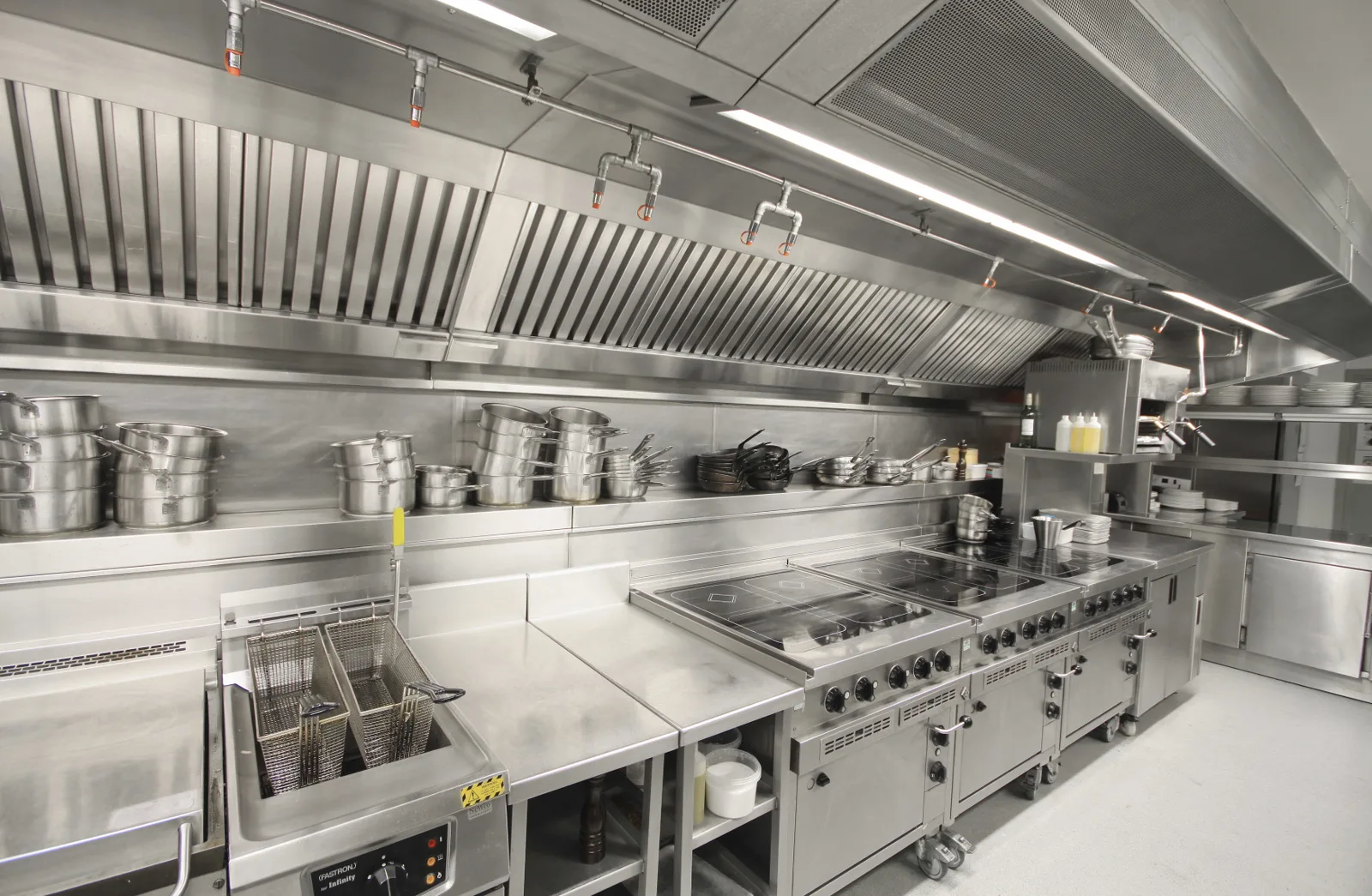
Long stainless steel exhaust hood above a commercial kitchen cooking line with fryers and ranges

Hood and exhaust

Commercial Hood Filter Cleaning

Deep degreasing of baffle filters to restore capture and airflow.

Baffle filters are the first barrier between cooking grease and the rest of the exhaust system. They are designed to change the direction of airflow so grease drops out and drains to the trough. Once the baffles are packed with grease, they stop working and grease passes straight into the plenum.

Filters are removed and degreased during every hood cleaning. Between full services, regular in-house filter washing helps keep the system working, and we can explain a practical routine for your staff.

What this service covers

  • Stainless and aluminum baffle filters
  • Filter tracks and rails
  • Grease troughs and cups

Common problems we address

  • Filters that will not come clean in a dish machine
  • Bent or damaged baffles
  • Missing filters leaving gaps
  • Grease cups overflowing

Safety and NFPA 96

For commercial hood filter cleaning, NFPA 96 (the National Fire Protection Association standard for commercial cooking operations) is the usual reference for inspection, cleaning access, and documentation. The edition in force and how it is enforced depend on your local authority having jurisdiction. We clean thoroughly and document our work, but no contractor can guarantee an inspection result. Learn more about NFPA 96.

Benefits for your business

  • Better grease capture
  • Less grease reaching the duct
  • Longer filter life

Process

How we perform commercial hood filter cleaning

  1. 01

    Pre-service walkthrough to confirm hood count, duct routing, fan type, and access points.

  2. 02

    Cooking equipment is covered or shielded and floors are protected with plastic sheeting.

  3. 03

    Grease filters are removed and soaked or degreased separately.

  4. 04

    Heavy deposits are hand scraped from the hood canopy, plenum, and accessible duct.

  5. 05

    Commercial degreaser is applied and allowed dwell time to break down hardened grease.

  6. 06

    Surfaces are rinsed with hot water pressure washing and wastewater is captured.

  7. 07

    The rooftop exhaust fan is cleaned, and accessible fan components are checked.

  8. 08

    Filters are reinstalled, the kitchen is wiped down, and the system is tested.

  9. 09

    Service documentation is provided, noting areas cleaned and any areas that could not be reached.

Photos

From our work

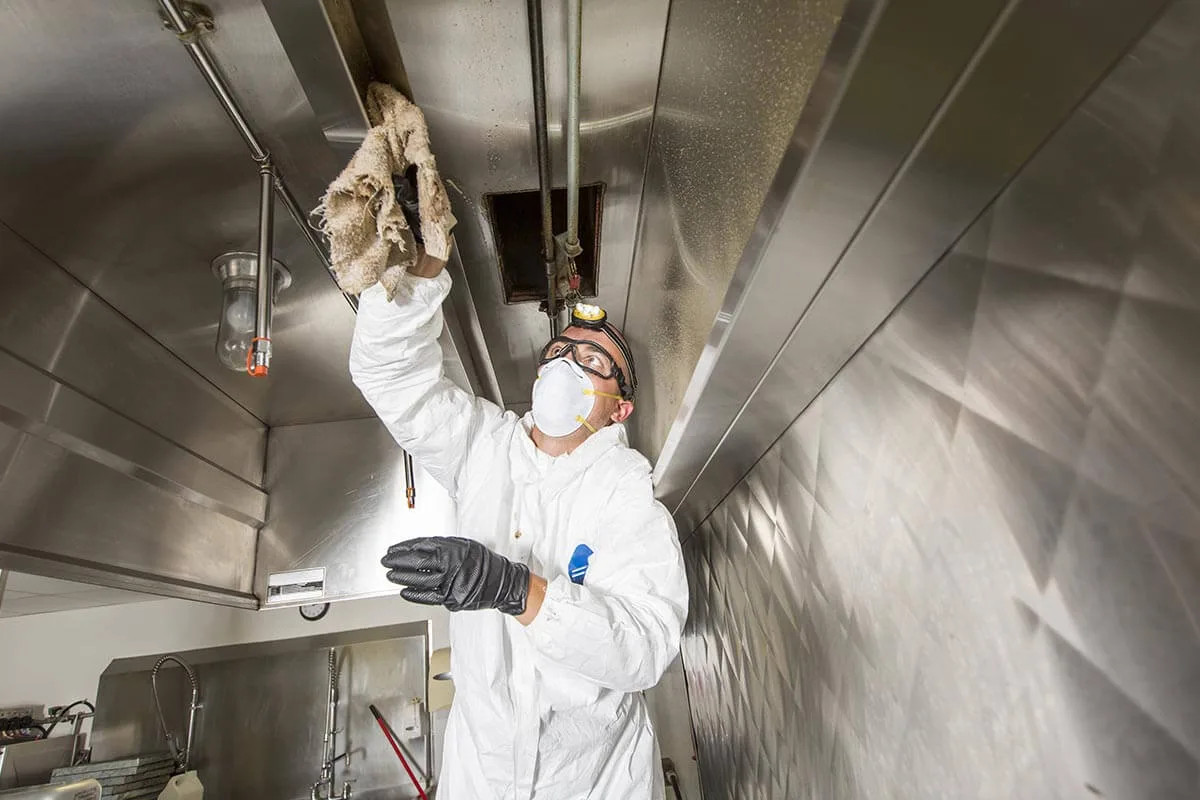
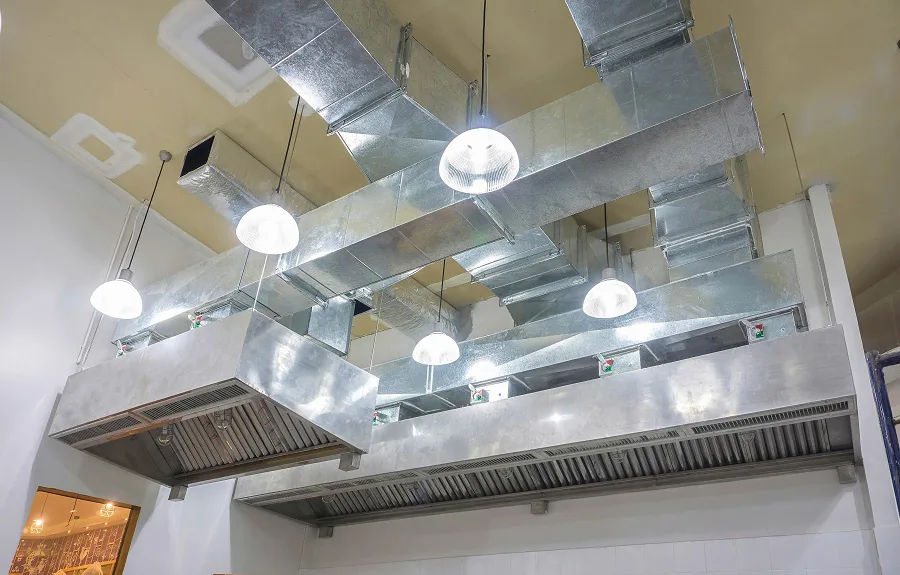
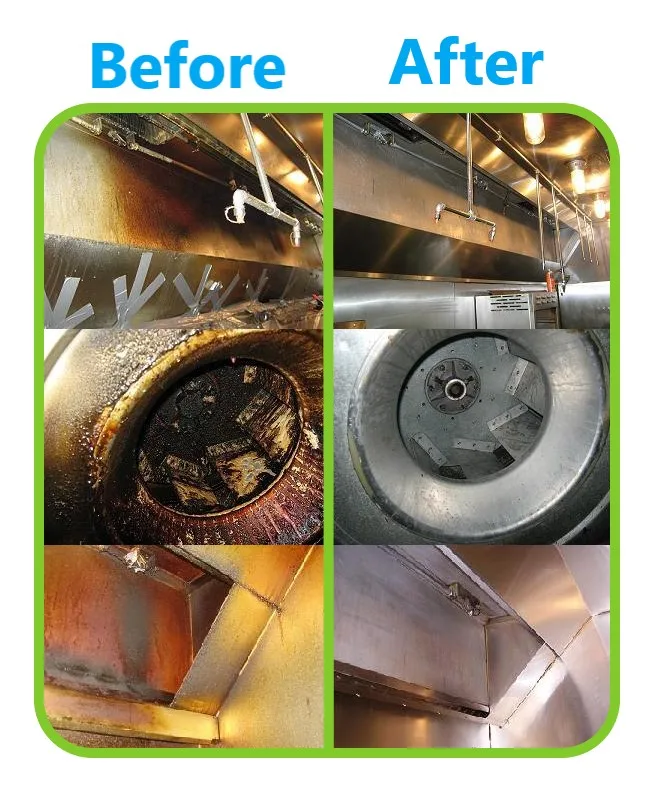
Technician in protective coveralls scraping grease from the inside of a commercial kitchen hood plenumStainless steel commercial kitchen hood with exposed exhaust ductwork running across the ceilingBefore and after comparison of a grease coated exhaust fan and hood interior next to the same components after cleaning

FAQ

Commercial Hood Filter Cleaning questions

How often should staff clean hood filters?+

It depends on volume. Many busy kitchens clean filters weekly or more. Follow manufacturer guidance and your local requirements.

Should damaged filters be replaced?+

Yes. Bent or missing filters let grease bypass the baffles. Replacement filters should be the correct listed type and size.

Serving all of Tennessee

Call NowGet a Free Quote