
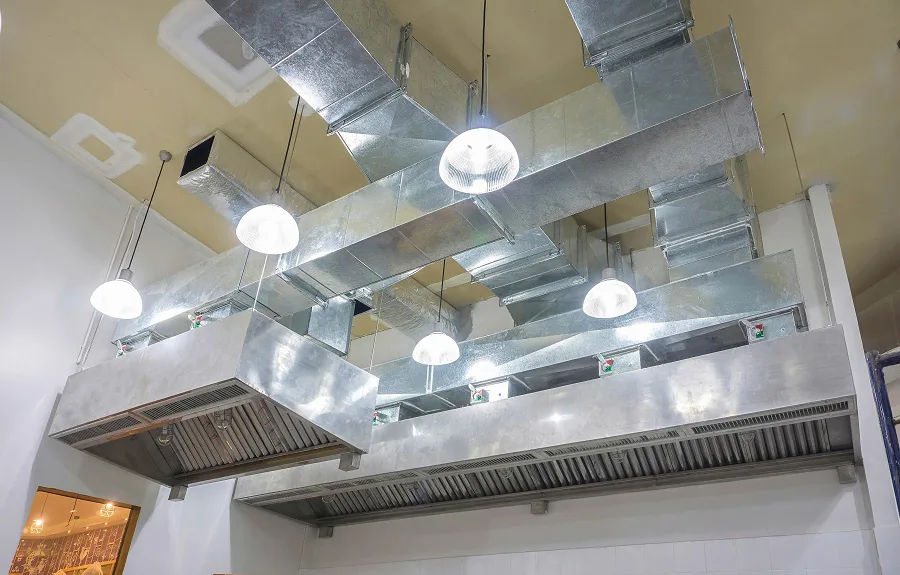
By Tennessee Hood Cleaners · Updated 2026-10-11
Frequency follows cooking volume
There is no single answer for every kitchen. A kitchen that runs fryers and char broilers all day loads its exhaust system much faster than a cafe that warms soup. The most useful starting point is the type of cooking and how many hours the equipment runs.
Common reference points
NFPA 96 includes a table of inspection frequencies for exhaust systems. Commonly cited examples are monthly for systems serving solid fuel cooking, quarterly for high-volume operations such as 24 hour cooking, charbroiling, or wok cooking, semiannually for moderate-volume operations, and annually for low-volume operations such as churches or seasonal businesses. Inspection finds when cleaning is needed.
NFPA 96 is a standard published by the National Fire Protection Association. Whether and how a given edition applies to your kitchen is determined by your local authority having jurisdiction, such as the fire marshal.
Signs you need cleaning sooner
Look for grease dripping from the hood, filters that stay coated after washing, smoke escaping the hood, or grease around the rooftop fan.
- Visible grease on the hood canopy
- Smoke spilling during rushes
- Grease on the roof around the fan
- Odors after closing